Healthcare Has One-Third of the World's Data. So Why Are Rural Patients Still Falling Through the Cracks?
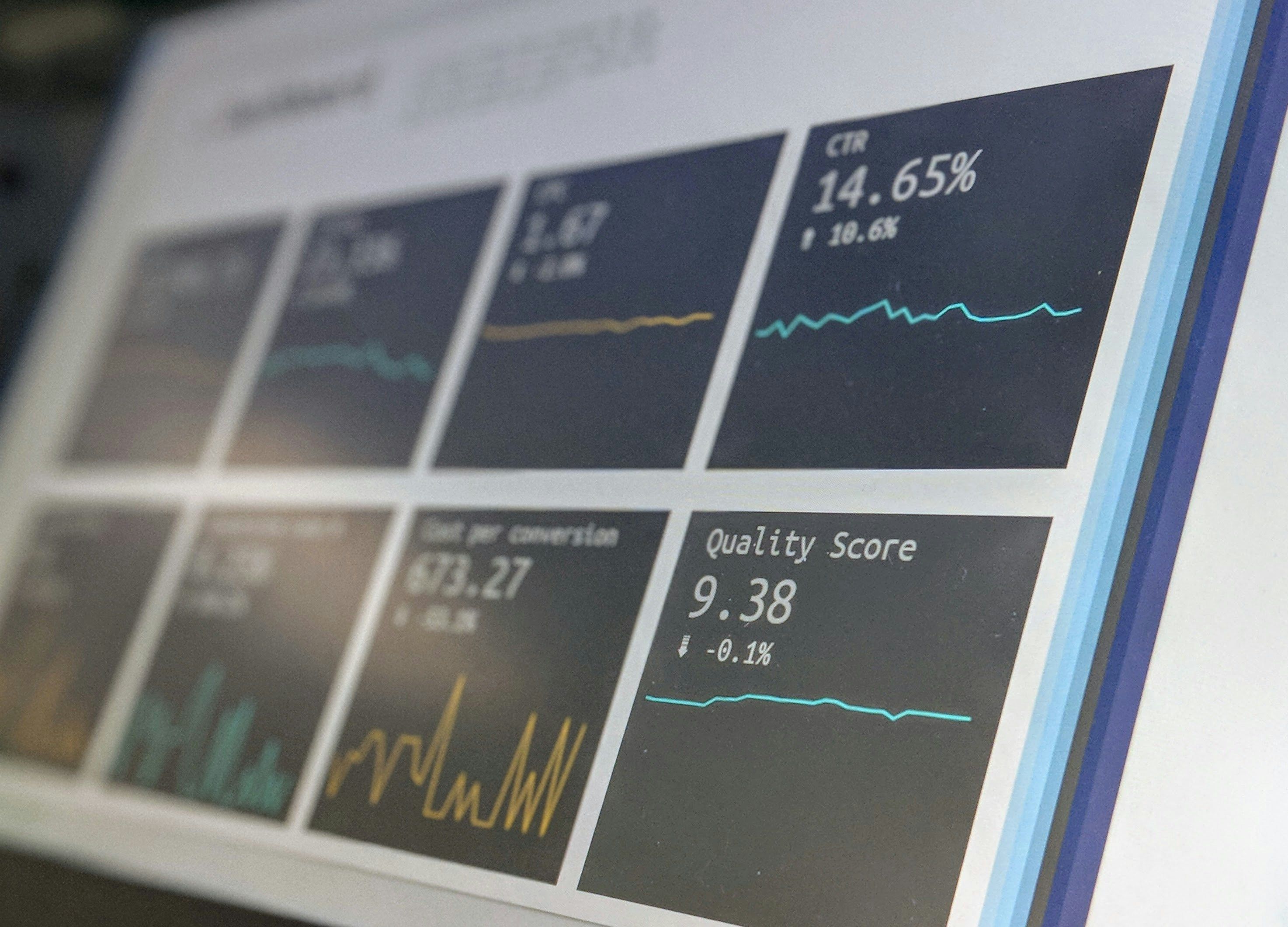
Healthcare generates more data than almost any other industry on earth, roughly one-third of all data in the world, and the volume is accelerating. Wearables, EHRs, claims systems, remote monitoring devices, lab results, behavioral health screenings, social determinants data. The inputs exist. The signals are there. And yet rural health systems and safety-net providers are still losing patients between visits, missing follow-up windows, and watching avoidable readmissions eat into margins they cannot afford to lose.
The problem is not a lack of data. The problem is that most of that data sits at the reporting layer, not the operational layer, and those are two very different things.
Your Dashboards Are Not the Problem. Your Workflows Are.
Health systems are generally good at detecting risk. Claims data, public health signals, program reporting, integrated dashboards tracking cost trends and outcome gaps, all of that infrastructure exists and functions reasonably well at the organizational level. What consistently breaks down is the step between identifying a high-risk patient and actually reaching them in a way that changes their behavior or care trajectory.
For Medicaid plans, rural health systems, and FQHCs managing high-risk populations, that gap tends to show up in the same places every time. A patient discharges from the emergency department with follow-up instructions and a care plan. The care coordinator assigned to that patient has 80 others on their list. Manual phone outreach starts, and over the next 72 hours, maybe a third of those patients get reached. The rest fall through. Some of them come back through the ED two weeks later, sicker and more expensive to treat.
That is not a data problem. That is a coordination and capacity problem that better data visibility alone will never solve.
The Interoperability Gap Is Real, but It Is Not the Whole Story
Interoperability is a genuine challenge in healthcare data infrastructure. Different systems speak different languages, data exchange between EHRs and care management platforms is inconsistent, and rural health systems in particular are often operating on legacy infrastructure that was never designed to share information seamlessly across care settings. Progress is being made through federal initiatives like TEFCA and ONC's health information exchange efforts, but the gap is still wide in practice.
What gets less attention is that even in environments where data flows reasonably well, the operational response to that data is often still manual, fragmented, and dependent on a care team that does not have enough hours in the day. A care coordinator who can see a patient's risk score in a dashboard but has to make individual phone calls to act on it is not experiencing an interoperability problem. They are experiencing a capacity problem that the data infrastructure was never built to address.
For health systems and Medicaid plans trying to improve quality metrics, reduce readmissions, and perform under value-based care contracts, the bottleneck is almost never visibility. It is the distance between a data signal and a coordinated operational response.
What Proactive Engagement Actually Means in Practice
Proactive patient engagement is a term that gets used loosely in healthcare technology, but the operational definition matters a lot when you are managing a high-risk population across a rural geography. It does not mean sending a patient portal message and hoping someone logs in. It does not mean mailing a letter about a care gap and counting that as an outreach attempt. And it does not mean adding another application to a care team's workflow and expecting consistent adoption.
Genuinely proactive engagement means reaching patients through the channel they already use, at the moment that matters, with a message that is relevant to their care situation and easy to respond to. For the populations that rural health systems and Medicaid plans serve, that channel is almost always SMS text messaging. Not an app. Not a portal. A text.
The gap between a care team that can reach 30 percent of a discharged patient population through manual phone outreach and one that can consistently reach 75 to 85 percent through automated, HIPAA-compliant SMS is not a small operational difference. It is the difference between a readmission prevention program that works and one that looks good in a slide deck.
Why Rural Populations Require a Different Engagement Model
Rural health populations present a specific engagement challenge that general-purpose healthcare technology platforms were not built to address. Geographic distance from care facilities means patients who miss a follow-up appointment face a much higher barrier to rescheduling than someone in an urban market. Connectivity infrastructure is inconsistent, which rules out engagement models that depend on app downloads or broadband access. Provider shortages mean care teams are already operating at maximum capacity, so any engagement solution that adds administrative steps will simply not get used.
Add to this the social determinants that disproportionately affect rural communities, transportation barriers, food insecurity, housing instability, limited health literacy, and you have a population that requires earlier, more frequent, and more accessible touchpoints than the average patient engagement model provides.
The engagement infrastructure that works in this context is lightweight by design, meets patients where they already are, requires minimal lift from clinical staff, and generates the kind of documentation that feeds back into care management workflows and quality reporting automatically.
Turning Data Into Action With the Right Platform
Moodr was built specifically for the operational gap between data visibility and coordinated patient response. The platform integrates with existing EHRs and care management systems, surfaces real-time insights about high-risk patients, and automates outreach through HIPAA-compliant SMS in a way that does not require clinical staff to manage individual conversations manually.
For a care coordinator managing a large post-discharge population, that means the routine follow-up outreach, care plan check-ins, appointment reminders, and screening prompts happen automatically based on care triggers, while the coordinator's attention goes to the patients who flag as needing direct intervention. The work that used to take 80 percent of their day gets handled by the platform. The work that actually requires clinical judgment gets their full attention.
The outcomes this produces are measurable and documented. Post-discharge engagement rates move from around 30 percent to between 75 and 85 percent. Care plan enrollment improves. Avoidable readmission rates fall. And the reporting infrastructure built into the platform generates the kind of outcome documentation that satisfies value-based care contracts, HEDIS and STAR performance requirements, and increasingly, RHTP funding accountability requirements.
At Vandalia Health's P3 Program, Moodr enabled clinicians to expand proactive outreach across an entire birthing population without adding staff, using real-time messaging, automated behavioral health screenings, and predictive analytics to identify risk earlier and coordinate care more consistently. Ninety-two percent of patients in that program reported feeling more connected to their healthcare clinicians, which is a care outcome, not a technology metric.
The Data Your Organization Already Has Is Enough to Start
One of the barriers that keeps health systems from acting on their engagement gap is the assumption that they need better data before they can build a better outreach model. In most cases, that is not true. The risk signals already exist in claims data, EHR records, and program reporting. What is missing is the operational layer that connects those signals to a coordinated, timely, patient-facing response.
Organizations that close the gap between data and action do not do it by waiting for perfect interoperability. They do it by deploying engagement infrastructure that works with the data they already have, automates the outreach their teams do not have capacity to do manually, and generates the outcome documentation their payers and funding sources require.
For rural health systems, Medicaid plans, FQHCs, and safety-net providers, that infrastructure is available now, and the organizations building it today are the ones that will be demonstrating measurable population health outcomes when their value-based contracts and RHTP reporting windows come due.
To see how Moodr helps organizations turn existing patient data into coordinated, measurable outreach, schedule a demo at moodrhealth.com.